All articles on fuels and energy
45 explainers in 5 topics. Each one answers a single question, shows its sources and links to the fuels it discusses in the Comparator.
Fuel basics
-
Fuel, Energy Source or Energy Carrier? What Each Term Means
A fuel is a material used up for heat or power, a source is where energy starts, and a carrier moves it. See how gasoline, hydrogen and electricity sort.
-
How Combustion Works: Fuel, Oxygen and Heat
Combustion is a fast reaction between a fuel and oxygen that releases heat. Follow the chemistry of gasoline and wood, from complete to incomplete burning.
-
Energy Density Explained: Per Kilogram vs Per Liter
Hydrogen leads per kilogram but trails per liter. See why energy density rankings flip, with LHV figures for gasoline, diesel, ethanol and hydrogen.
-
Btu, Joule and kWh: How Energy Units Convert
One kWh equals 3.6 MJ or about 3,412 Btu. Learn what each unit measures, the exact factors, and how to convert a gallon of propane step by step.
-
Higher vs Lower Heating Value: What the Difference Means
HHV counts the heat released when combustion water vapor condenses; LHV does not. See the gap for hydrogen, natural gas and gasoline, and which to use.
-
What an Octane Rating Actually Measures
An octane rating shows how well gasoline resists knock, not how much energy it holds. See RON, MON, pump grades and why ethanol rates high yet holds less.
-
Cetane Number: Diesel's Version of Octane
Cetane number rates how fast diesel ignites after injection. See how it differs from octane, typical values, and why it is not a measure of energy content.
-
Solid, Liquid and Gaseous Fuels: Why Physical State Matters
Fuels are solids, liquids or gases depending on their molecules, temperature and pressure. See how state changes storage, handling and energy per volume.
-
Gasoline Gallon Equivalent: A Common Yardstick for Different Fuels
A gasoline gallon equivalent (GGE) is the amount of fuel with the energy of one gallon of gasoline. See the formula, worked examples and why factors differ.


Fossil fuels
-
How Crude Oil Is Refined Into Fuels
A refinery separates crude oil by boiling point, then converts, treats and blends the parts. See EIA's 2023 yield of gasoline, diesel and jet fuel per barrel.
-
What Is Gasoline Made Of? Hydrocarbons, Blends and Grades
Gasoline is a blend of hydrocarbons, usually with about 10% ethanol. See what goes into it and what regular, midgrade and premium really label.
-
Gasoline vs Diesel Fuel: Properties Side by Side
Diesel holds about 11% more energy per gallon than gasoline but almost the same per kilogram. See the chemistry, density and CO2 numbers side by side.
-
Ultra-Low-Sulfur Diesel: What the Label Means
ULSD is diesel with 15 ppm sulfur or less. See why sulfur was cut from up to 5,000 ppm, how refiners remove it and where the rule applies.
-
Jet Fuel Explained: Jet A, Jet A-1 and Kerosene
Jet fuel is a kerosene-type fuel for turbine engines. See how Jet A and Jet A-1 differ, what the specification limits and how jet fuel compares with diesel.
-
Coal Ranks Explained: From Lignite to Anthracite
Coal comes in four ranks. See how lignite, subbituminous, bituminous and anthracite differ in carbon, energy per ton and CO2 from burning.
-
Natural Gas: What It Is and How Pipeline Gas, CNG and LNG Differ
Natural gas is mostly methane, mixed with other gases. See what is in it and how pipeline gas, CNG and LNG hold the same fuel in different ways.
-
Propane and LPG: What Liquefied Petroleum Gas Is
Propane is a three-carbon gas sold as a pressurized liquid. See what LPG means, where propane comes from and how it differs from natural gas.
-
How Fossil Fuels Form Over Millions of Years
Coal comes from buried land plants, oil from buried sea organisms, and natural gas from heat acting on either. See how burial, heat and time make each one.




Biofuels and alternatives
-
Ethanol Fuel Explained: E10, E15 and E85
The number after the E is the share of ethanol by volume. See what E10, E15 and E85 contain, how ethanol is made and how the blends differ in energy.
-
Biodiesel vs Renewable Diesel: Two Different Fuels
Both come from fats and oils, yet biodiesel is an ester and renewable diesel a hydrocarbon. See how they are made, blended and measured for emissions.
-
Biogas and Renewable Natural Gas: From Waste to Fuel
Biogas forms when microbes break down waste without oxygen. Cleaned to mostly methane, it becomes renewable natural gas (RNG). Here is how the steps work.
-
Hydrogen as a Fuel: Energy per Kilogram vs Energy per Liter
Hydrogen holds about 2.8 times the energy of gasoline per kilogram, yet far less per liter as a gas. See the numbers, their basis and a worked example.
-
Gray, Blue and Green Hydrogen: What the Colors Mean
Hydrogen colors say how the gas was made, not what it looks like. See what gray, blue, green and other labels mean and why carbon intensity is used too.
-
Ammonia as a Fuel: Carbon-Free at the Tailpipe, Not Free of Questions
Ammonia has no carbon, so burning it makes no CO2. It does raise NOx, N2O and production questions. See how it compares with hydrogen, with numbers.
-
Synthetic Fuels and E-Fuels: How They Are Made
Synthetic fuels are built from simple molecules, not refined from crude oil. E-fuels use hydrogen from electricity and captured CO2. Here are the steps.
-
Methanol as a Fuel: Properties and Uses
Methanol is the simplest alcohol fuel, made mostly from natural gas. See how it is produced and how its energy and emissions compare with ethanol.
-
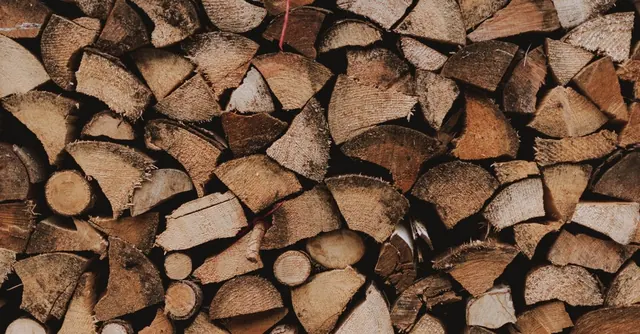
Biomass and Wood as Fuel: Energy Content and Moisture
Dry wood holds about 20 MJ per kilogram, but water changes the answer. See how moisture cuts usable energy and how wood compares with coal.
Energy and the environment
-
CO2 Emissions per Unit of Energy: How Fuels Compare
Coal releases about 1.8 times the CO2 of natural gas for the same energy. See EPA's factors for five fuels and why the unit you pick changes the ranking.
-
Combustion vs Life-Cycle Emissions: Why Two Numbers Exist
Combustion emissions count what leaves the tailpipe or stack. Life-cycle emissions count every step. See why gasoline, ethanol and electricity show both.
-
How a Life-Cycle Assessment of a Fuel Is Built
A fuel life-cycle assessment fixes a unit, a boundary and a method before counting. See how GREET, ethanol and hydrogen studies make those choices.
-
Energy Efficiency vs Fuel Efficiency: Where the Energy Goes
Fuel economy counts miles per gallon. Energy efficiency asks how much of the fuel's energy does useful work. Here is where the rest of it goes.
-
Air Pollutants From Burning Fuels: NOx, Particles, SO2 and CO
Burning fuel releases more than CO2: nitrogen oxides, fine particles, sulfur dioxide and carbon monoxide. See where each comes from and how it is regulated.
-
From Burning Fuel to the Greenhouse Effect: How CO2 Traps Heat
Burning a fuel turns its carbon into CO2, a gas that slows heat loss to space. See how that link works, from the chemistry to the greenhouse effect.
-
Renewable vs Nonrenewable Energy Sources: The Definitions
A renewable source is replenished by nature, a nonrenewable one is not. See where wood, coal and ethanol fall, and what the label does not tell you.
-
Carbon Intensity of Electricity: How Grid Emissions Are Measured
Carbon intensity is the CO2 emitted per kilowatt-hour on a power grid. See how EIA and EPA work it out, why their numbers differ and what is left out.
-
What “Carbon Neutral” Fuel Claims Mean and How to Read Them
A carbon neutral fuel claim says CO2 is balanced by removals or offsets. See what the term means and which questions test the boundary behind it.


Fuels in everyday life and history
-
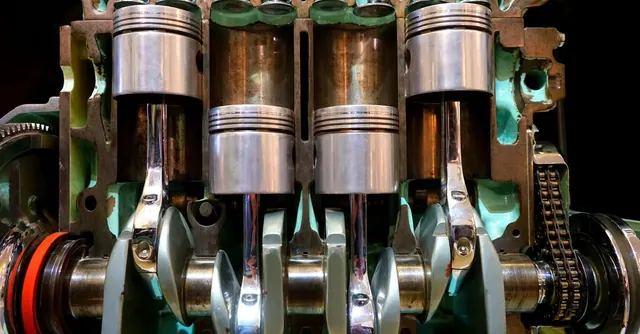
How a Gasoline Engine Turns Fuel Into Motion
A gasoline engine repeats four strokes: intake, compression, power and exhaust. See what the fuel does in each one, and what ethanol changes.
-
How a Diesel Engine Ignites Fuel by Compression
A diesel engine squeezes only air until it is hot enough to light the fuel. See the four strokes, why compression works, and what biodiesel changes.
-
Home Heating Fuels: Natural Gas, Propane, Heating Oil, Wood and Electricity
Natural gas heats about half of U.S. homes and electricity about a third. See how gas, propane, heating oil, wood and electricity reach a home and differ.
-
Cooking Fuels: Gas, Propane, Electricity, Wood and Charcoal
Electricity, natural gas and propane power most U.S. ranges, while about 2.1 billion people cook with wood, charcoal and other fuels. See how they differ.
-
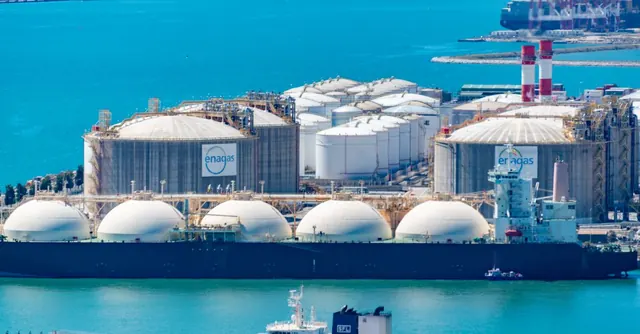
How Fuels Travel: Pipelines, Tankers, Rail and Trucks
Follow gasoline, natural gas, LNG and propane from producer to user, and see why a fuel's physical form decides whether it moves by pipe, ship, rail or truck.
-
Why Some Fuels Are Easier to Store Than Others
Gasoline sits in a plain tank, hydrogen needs high pressure or deep cold, and electricity must be converted first. Here is why, in general terms.
-
A Short History of Fuels: From Firewood to Oil
Wood came first, coal powered the 1800s and oil took over in 1950. Follow the main shifts in the fuels people burn, with dates from EIA and museum records.
-
A Short History of the Internal Combustion Engine
No single person invented the engine. Trace the steps from Lenoir in 1860 to Otto, Benz and Diesel, with dates and figures from museum and agency records.
-
How Power Plants Turn Fuel Into Electricity
Fuel makes heat, heat spins a turbine and a generator makes power. See how steam and gas turbine plants differ and how much fuel energy becomes electricity.