Fossil fuels
Gasoline, diesel, jet fuel, coal, natural gas and how refining turns crude oil into fuels.

From buried matter to fuel
Coal, oil and natural gas are called fossil fuels because they come from the remains of ancient living things, changed by heat and pressure over very long spans of time. How fossil fuels form follows that process for each of the three. Knowing the origin explains a lot: one fuel ends up a solid, one a liquid mixture and one a gas, and that difference shapes how each is moved, stored and burned.
One crude oil, many products
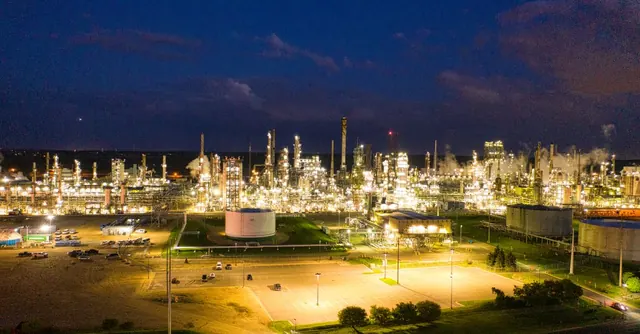
Crude oil is not something you can pour into a car. A refinery separates it and reworks the parts into finished products. How crude oil is refined follows the steps that lead to gasoline, diesel and jet fuel from the same starting material.
The product articles then answer the questions readers ask most. Gasoline vs diesel fuel sets the two side by side on energy content, density and chemistry. Jet fuel explained shows what Jet A, Jet A-1 and kerosene mean. Two smaller stories, propane and ultra-low-sulfur diesel, have articles of their own in this topic.
Coal, natural gas and the numbers
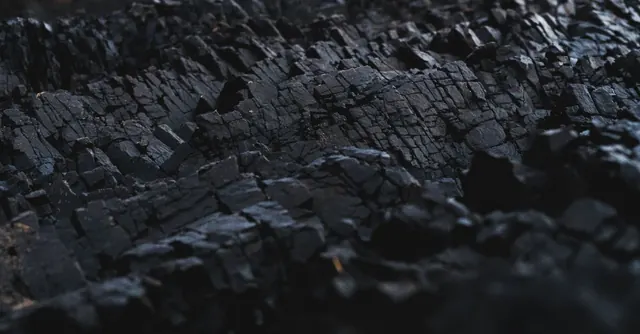
Coal is not one material. It is graded by rank, and the rank affects how much energy a given amount holds. Coal ranks explained walks from lignite to anthracite.
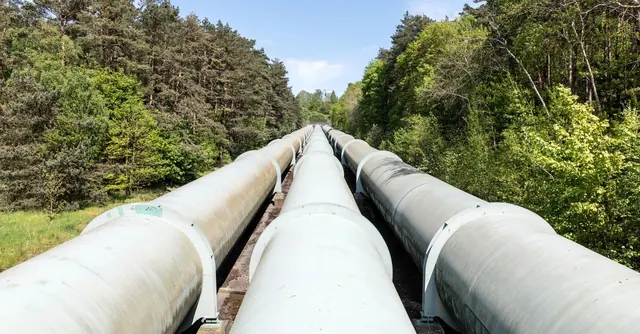
Natural gas turns up in several forms: gas in a pipeline, compressed gas (CNG) and liquefied gas (LNG). Natural gas: what it is and how its forms differ explains what the gas is made of and why the same fuel can be handled so differently. Coal and natural gas also meet in the power plant, a story told in the everyday life topic.
Gasoline, diesel, jet fuel, propane, natural gas as CNG, liquefied natural gas and bituminous coal are all in the Comparator database. Line up gasoline, diesel and jet fuel to see three refinery products in common units and on a stated energy basis. The Comparator shows combustion CO2 and life-cycle emissions as separate measures, so you can see which question a number answers. It leaves out prices and market news. This topic is about what these fuels are, not what they cost.
The 9 articles in this topic
-
How Crude Oil Is Refined Into Fuels
A refinery separates crude oil by boiling point, then converts, treats and blends the parts. See EIA's 2023 yield of gasoline, diesel and jet fuel per barrel.
-
What Is Gasoline Made Of? Hydrocarbons, Blends and Grades
Gasoline is a blend of hydrocarbons, usually with about 10% ethanol. See what goes into it and what regular, midgrade and premium really label.
-
Gasoline vs Diesel Fuel: Properties Side by Side
Diesel holds about 11% more energy per gallon than gasoline but almost the same per kilogram. See the chemistry, density and CO2 numbers side by side.
-
Ultra-Low-Sulfur Diesel: What the Label Means
ULSD is diesel with 15 ppm sulfur or less. See why sulfur was cut from up to 5,000 ppm, how refiners remove it and where the rule applies.
-
Jet Fuel Explained: Jet A, Jet A-1 and Kerosene
Jet fuel is a kerosene-type fuel for turbine engines. See how Jet A and Jet A-1 differ, what the specification limits and how jet fuel compares with diesel.
-
Coal Ranks Explained: From Lignite to Anthracite
Coal comes in four ranks. See how lignite, subbituminous, bituminous and anthracite differ in carbon, energy per ton and CO2 from burning.
-
Natural Gas: What It Is and How Pipeline Gas, CNG and LNG Differ
Natural gas is mostly methane, mixed with other gases. See what is in it and how pipeline gas, CNG and LNG hold the same fuel in different ways.
-
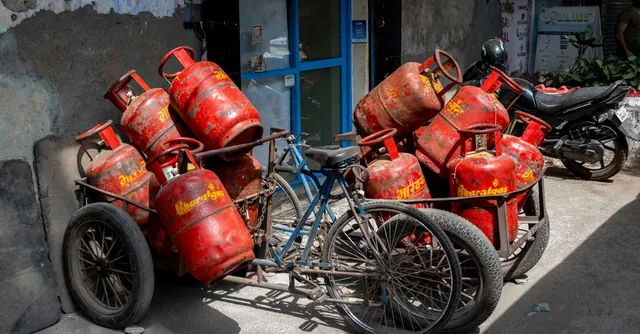
Propane and LPG: What Liquefied Petroleum Gas Is
Propane is a three-carbon gas sold as a pressurized liquid. See what LPG means, where propane comes from and how it differs from natural gas.
-
How Fossil Fuels Form Over Millions of Years
Coal comes from buried land plants, oil from buried sea organisms, and natural gas from heat acting on either. See how burial, heat and time make each one.