Fuels in everyday life and history
Engines, heating, cooking, transport, storage and the history of fuels.

At home: heating and cooking
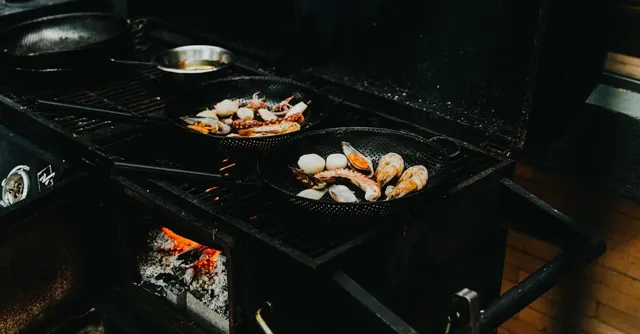
Most people meet fuels through their results: a warm house, a hot meal, a car that starts. This topic follows fuels into the places where you actually use them. Home heating fuels compares what heats homes, from natural gas and propane to heating oil, wood and electricity. Cooking fuels does the same for the stove, covering gas, propane, electricity, wood and charcoal. Heating and cooking share several of these fuels, which makes the two articles a natural pair. They describe how the options differ and do not recommend one over another.
Engines, transport and power
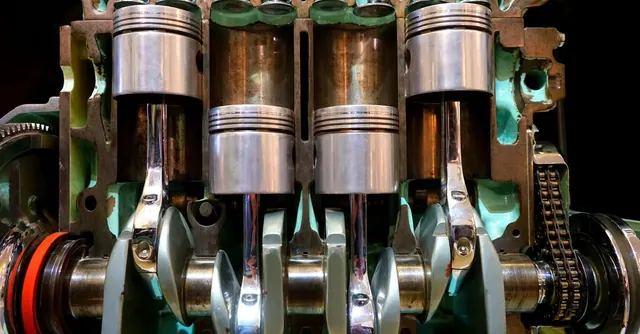
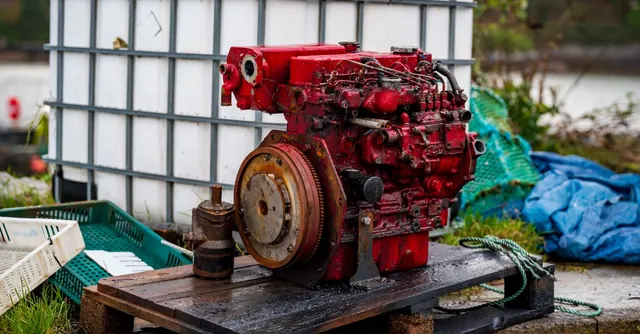
Two articles open the engine. How a gasoline engine turns fuel into motion follows the four-stroke cycle. How a diesel engine ignites fuel by compression explains how a diesel runs without spark plugs. Together they show how the two engines use fuel in different ways.
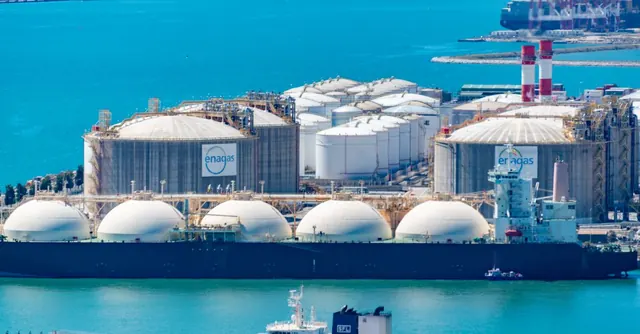
Between the source and the tank sits a long chain. How fuels travel covers pipelines, tankers, rail and trucks. A related article explains, in general terms, why gasoline is simple to store while hydrogen and electricity are harder, and it ties the answer to energy density and physical state. Another shows how steam and gas turbine power plants turn fuel into the electricity that reaches an outlet.
A longer view, with numbers
Fuels have not always been the same. A short history of fuels, from firewood to oil traces how the main fuels used by people changed over time, passing through wood, coal and gasoline, the same fuels that appear in the Comparator. A separate article tells the history of the internal combustion engine, from its inventor to its development. Each of these articles starts from a question a curious reader would ask, such as who invented the engine or how a steam plant makes electricity.
These articles explain how things work. They are not instructions for handling, storing, making or blending fuel. For those needs, follow the manufacturer's instructions, safety data sheets and local rules.
To connect the stories to numbers, compare propane, natural gas, wood and electricity. The Comparator shows the properties of fuels used in homes in common units, with the energy basis stated and without prices.
The 9 articles in this topic
-
How a Gasoline Engine Turns Fuel Into Motion
A gasoline engine repeats four strokes: intake, compression, power and exhaust. See what the fuel does in each one, and what ethanol changes.
-
How a Diesel Engine Ignites Fuel by Compression
A diesel engine squeezes only air until it is hot enough to light the fuel. See the four strokes, why compression works, and what biodiesel changes.
-
Home Heating Fuels: Natural Gas, Propane, Heating Oil, Wood and Electricity
Natural gas heats about half of U.S. homes and electricity about a third. See how gas, propane, heating oil, wood and electricity reach a home and differ.
-
Cooking Fuels: Gas, Propane, Electricity, Wood and Charcoal
Electricity, natural gas and propane power most U.S. ranges, while about 2.1 billion people cook with wood, charcoal and other fuels. See how they differ.
-
How Fuels Travel: Pipelines, Tankers, Rail and Trucks
Follow gasoline, natural gas, LNG and propane from producer to user, and see why a fuel's physical form decides whether it moves by pipe, ship, rail or truck.
-
Why Some Fuels Are Easier to Store Than Others
Gasoline sits in a plain tank, hydrogen needs high pressure or deep cold, and electricity must be converted first. Here is why, in general terms.
-
A Short History of Fuels: From Firewood to Oil
Wood came first, coal powered the 1800s and oil took over in 1950. Follow the main shifts in the fuels people burn, with dates from EIA and museum records.
-
A Short History of the Internal Combustion Engine
No single person invented the engine. Trace the steps from Lenoir in 1860 to Otto, Benz and Diesel, with dates and figures from museum and agency records.
-
How Power Plants Turn Fuel Into Electricity
Fuel makes heat, heat spins a turbine and a generator makes power. See how steam and gas turbine plants differ and how much fuel energy becomes electricity.